(309) 681-5500

(309) 681-5500
BLOOMINGTON, ILLINOIS
EPOXY REPAIR
LET US COAT YOUR
DREAM FLOOR!!
BLOOMINGTON, ILLINOIS EPOXY FLOORING
Over a Decade Experience in Serving CENTRAL IL!
Over 6,000 SATISFIED CUSTOMERS
150+ (5) STAR REVIEWS
Click GET STARTED BELOW to BOOK ESTIMATE ONLINE
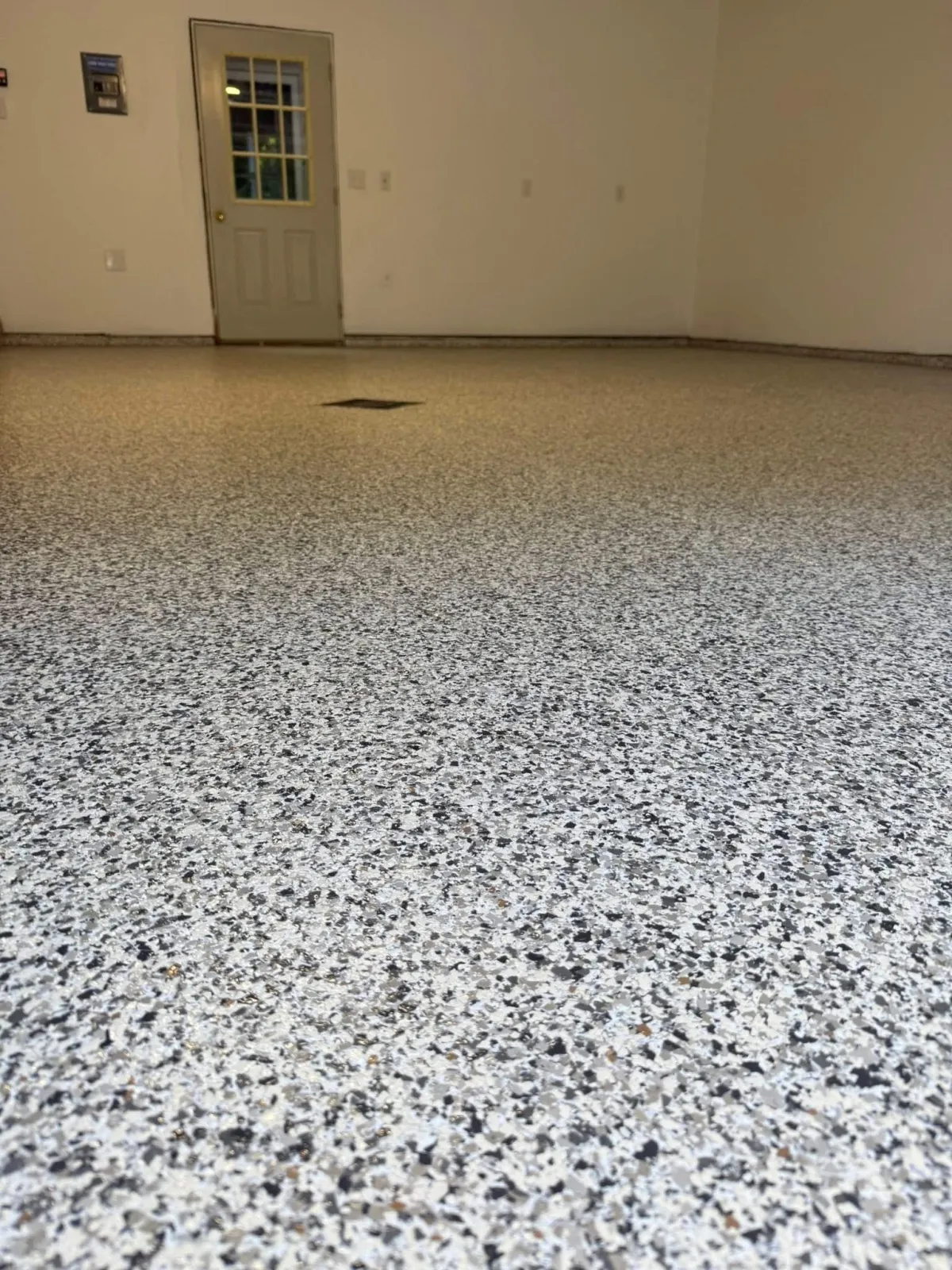
BLOOMINGTON, ILLINOIS EPOXY FLOORING
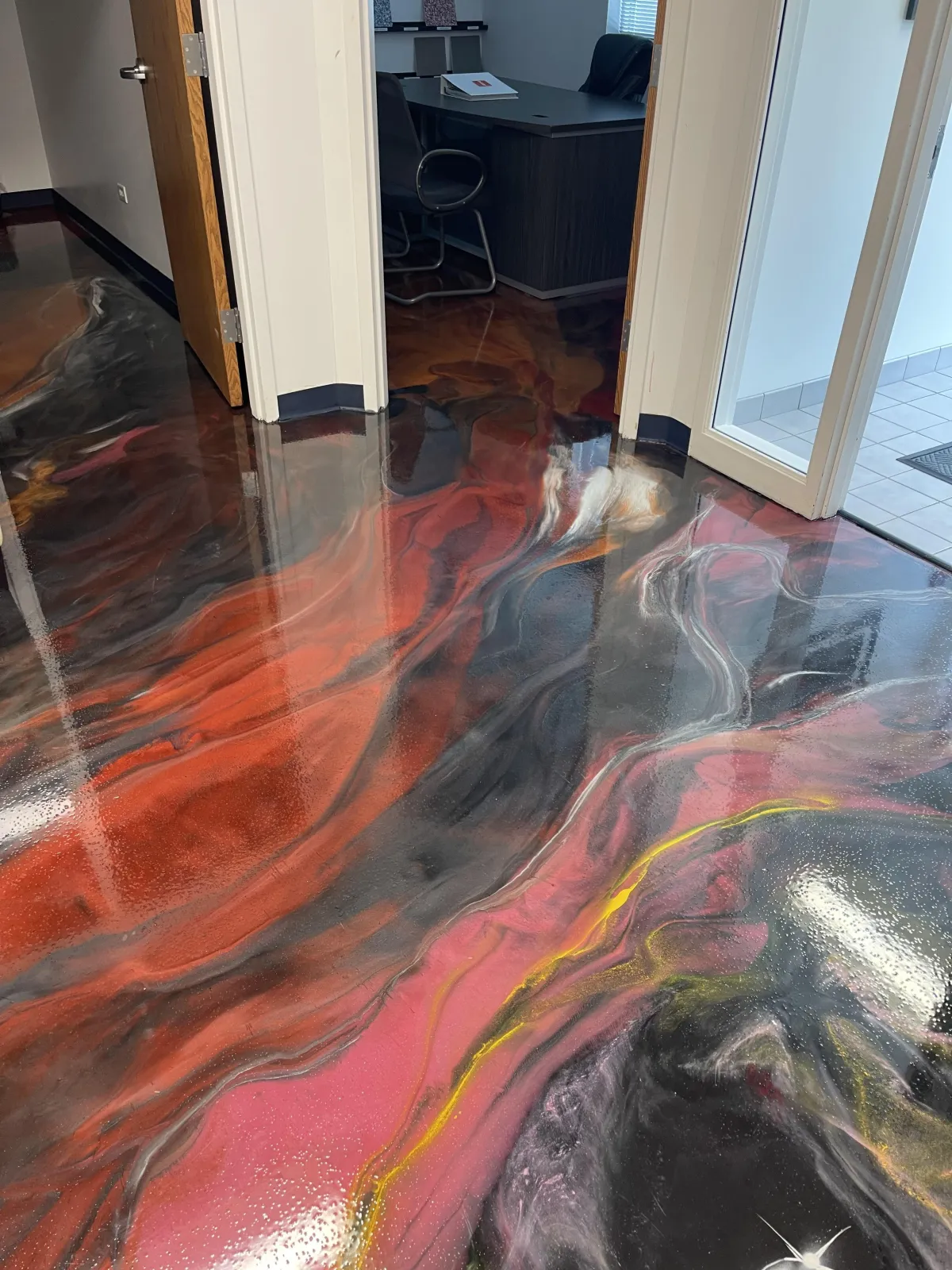
GET A GUARANTEED
SURE THING!!
OVER 6K SATISFIED CUSTOMERS
150+ 5 STAR REVIEWS
Click Below to Get Started and BOOK ESTIMATE ONLINE

OUR PROCESS
Simple.
PREP
COAT
SEAL
HOME OWNERS
Garage floor
Basement floor
Laundry / bathroom floor
Porch
Sidewalk / steps
Driveway
Pool deck
BUSINESS OWNERS
Amazon / FED EX Warehouse
Morton building
Health club
Grocery
Exam room
Detention center
Firehouse apparatus bay
High traffic hallway
Kitchen
Bathroom
OUR PROCESS
Simple.
PREP
COAT
SEAL
Bloomington Epoxy Repair: The Definitive Expert Guide to Structural, Industrial, and Surface Restoration
Introduction: Why Epoxy Repair Is the Gold Standard
Epoxy repair systems have become the cornerstone of modern structural and surface restoration across construction, manufacturing, marine, aerospace, automotive, and infrastructure sectors. Unlike traditional patching compounds or cement-based repairs, epoxy offers exceptional adhesion, chemical resistance, mechanical strength, and long-term durability.
From repairing cracked concrete floors and deteriorated steel structures to rebuilding damaged fiberglass, wood, and composites, epoxy repair solutions are trusted wherever performance, longevity, and reliability are critical.
This guide presents an ultimate expert-level overview of epoxy repair—covering chemistry, material selection, surface preparation, application methods, failure modes, industry standards, and best practices. Whether you are a contractor, engineer, facility owner, or technical decision-maker, this article provides the depth needed to specify and apply epoxy repair systems correctly the first time.
What Is Bloomington, Illinois Epoxy Repair?
Definition and Purpose
Epoxy repair refers to the use of thermosetting epoxy resin systems to restore damaged, worn, cracked, or degraded materials. Once cured, epoxy forms a high-strength, cross-linked polymer matrix that bonds aggressively to a wide range of substrates.
Epoxy repair is used to:
Restore structural integrity
Seal and stabilize cracks and voids
Rebuild lost material
Protect substrates from corrosion, abrasion, and chemicals
Extend service life while avoiding costly replacement
Why Epoxy Outperforms Traditional Repairs
Property Epoxy Repair Cementitious RepairAdhesion Excellent (chemical bond)Moderate (mechanical bond)Tensile StrengthVery highLowChemical ResistanceExcellentPoor to moderateShrinkage Minimal HighCure TimeFast and controllable Slow Versatility Multi-substratePrimarily concrete
Epoxy repair systems are engineered solutions, not generic fillers.
Epoxy Chemistry: Understanding the Science
Epoxy Resin Basics
Epoxy resins are thermosetting polymers formed by the reaction of:
Epoxide resin (typically bisphenol-A or bisphenol-F based)
Hardener (curing agent) such as amines, amides, or anhydrides
When mixed, these components undergo polymerization, creating a rigid three-dimensional molecular network.
Curing Mechanism
Key curing characteristics:
Exothermic reaction (generates heat)
Irreversible cross-linking
Cure rate influenced by:
Temperature
Resin-to-hardener ratio
Mass and thickness
Additives and fillers
Improper mixing or incorrect ratios are among the leading causes of epoxy repair failure.
Types of Epoxy Repair Systems
Structural Epoxy Repair
Used where load-bearing capacity is required:
Concrete crack injection
Steel beam restoration
Bridge and infrastructure repairs
Anchor and dowel bonding
Key features:
High compressive and tensile strength
Low creep
Excellent bond to concrete and metal
Non-Structural Epoxy Repair
Used for surface restoration and protection:
Cosmetic concrete repair
Spall patching
Surface sealing
Minor crack filling
Epoxy Mortars
Epoxy Repair Bloomington, Il. combined with graded aggregates to create:
Trowelable mortars
High-build patching compounds
Vertical and overhead repair materials
Common uses:
Rebuilding damaged concrete edges
Machinery base repair
Chemical containment areas
Epoxy Putty Systems
Pre-measured, hand-mixable systems ideal for:
Emergency repairs
Underwater repair
Pipe leaks
Maintenance applications
Flexible Epoxy Repairs
Modified epoxy formulations allow:
Limited movement accommodation
Vibration resistance
Improved impact absorption
Substrates Suitable for Epoxy Repair
Epoxy repair systems bond effectively to:
Concrete
Cracks (structural and non-structural)
Spalls
Delamination
Joint deterioration
Steel and Metals
Corrosion damage
Pitting
Weld defects
Structural reinforcement
Wood
Rot stabilization
Structural consolidation
Joinery repair
Fiberglass and Composites
Marine hull repairs
Panels and enclosures
Wind turbine blades
Masonry and Stone
Crack stabilization
Bonding
Surface restoration
Surface Preparation: The Foundation of Success
Over 80% of epoxy repair failures result from inadequate surface preparation.
Cleaning
All substrates must be free of:
Oils
Grease
Dust
Laitance
Salts
Previous coatings
Methods include:
Solvent cleaning
Degreasing
Detergent washing
Steam cleaning
Mechanical Profiling
Epoxy requires a mechanical profile to achieve optimal adhesion.
Common methods:
Shot blasting
Grinding
Scarifying
Sandblasting (for steel)
Concrete Surface Profile (CSP) guidelines:
CSP 3–5: Crack injection
CSP 5–7: Structural repair
CSP 7–9: Heavy-duty epoxy mortars
Moisture Considerations
While some epoxy systems tolerate damp substrates, free moisture and hydrostatic pressure can compromise bond strength unless moisture-tolerant or vapor-tolerant formulations are used.
Epoxy Repair Bloomington | Crack Repair Techniques
Epoxy Crack Injection
Used for:
Structural concrete cracks
Load-bearing restoration
Preventing further crack propagation
Process:
Surface sealing
Injection port installation
Low-pressure epoxy injection
Cure and port removal
Gravity-Fed Epoxy Repair
Used for horizontal cracks where injection pressure is unnecessary.
Routing and Sealing
For non-structural cracks:
Crack is widened
Filled with epoxy paste or flexible epoxy
Industrial and Commercial Applications
Manufacturing Facilities
Floor crack repair
Machine base restoration
Chemical containment repair
Warehouses and Distribution Centers
Joint edge repair
Forklift damage restoration
High-load epoxy mortars
Infrastructure and Civil Engineering
Bridge decks
Parking structures
Seismic retrofitting
Marine and Offshore
Hull repairs
Splash-zone protection
Corrosion restoration
Environmental and Chemical Resistance
Epoxy repair systems offer resistance to:
Acids
Alkalis
Oils
Fuels
Solvents
Salts
Specialized formulations are available for:
Wastewater treatment plants
Food processing
Pharmaceutical facilities
Chemical plants
Application Best Practices
Mixing
Always follow manufacturer ratios
Use mechanical mixers for large batches
Scrape container sides and bottom
Avoid air entrapment
Application Conditions
Ideal conditions:
Substrate temperature: 50–90°F (10–32°C)
Relative humidity: <85%
Stable temperatures during cure
Thickness Control
Excessive thickness can cause:
Excessive exotherm
Shrinkage stress
Reduced bond performance
Curing, Post-Cure, and Quality Control
Cure Time
Epoxy cure occurs in stages:
Gel time
Initial set
Full cure
Load or chemical exposure should only occur after full cure.
Inspection and Testing
Quality control measures include:
Bond strength testing
Visual inspection
Sounding (for delamination)
Pull-off tests
Common Causes of Epoxy Repair Failure
Improper surface preparation
Incorrect mix ratio
Contaminated substrate
Application outside temperature limits
Using the wrong epoxy type for the application
Understanding failure mechanisms allows for predictable, long-term repairs.
Safety and Handling Considerations
While epoxy repair systems are safe when used correctly, precautions include:
Proper ventilation
Gloves and eye protection
Avoiding skin contact
Following SDS guidelines
Sustainability and Longevity
Epoxy repair is inherently sustainable because it:
Extends asset life
Reduces material waste
Avoids demolition and replacement
Lowers lifecycle costs
Modern low-VOC and bio-modified epoxies further improve environmental performance.
Selecting the Right Epoxy Repair System
Key selection criteria:
Structural vs non-structural
Substrate type
Exposure conditions
Application environment
Required service life
Consulting epoxy specialists ensures the system is engineered—not guessed.
Epoxy Repair as a Long-Term Investment
Epoxy repair is not merely a patch—it is a precision-engineered restoration solution. When properly specified and applied, epoxy repairs deliver decades of service life, superior performance, and measurable cost savings.
For any project where durability, strength, and reliability matter, epoxy repair remains the industry benchmark.