(309) 681-5500

(309) 681-5500
Bloomington, Illinois Epoxy Flooring
Let Us Coat Your Dream Floor!
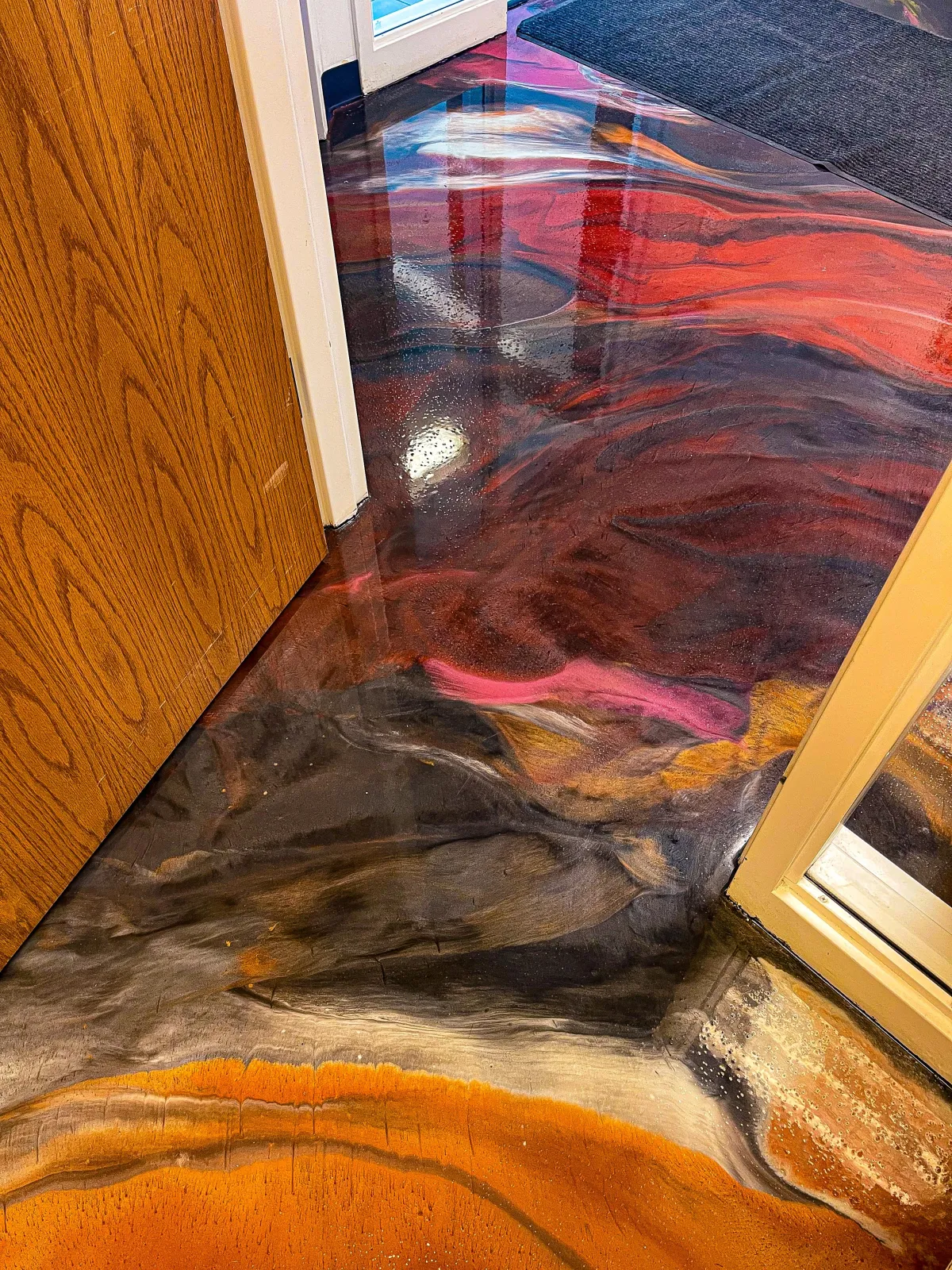
SEE OUR WORK
Watch a Real Install.
(Feb. 2026)
Click below >>>
to watch video.
(309) 681-5500
About us
6,000 Satisfied Customers
150+ (5) Star Reviews
BOOK ESTIMATE ONLINE
6,000 Satisfied Customers
Over 150+ (5) Star Reviews...
Epoxy Flooring Bloomington
MOST POPULAR
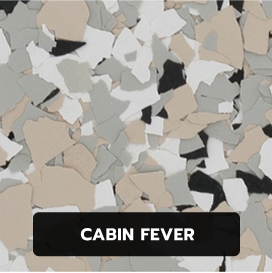
(Cabin Fever)
Used by Gold's Gym Peoria,
and many more...
HOME OWNERS
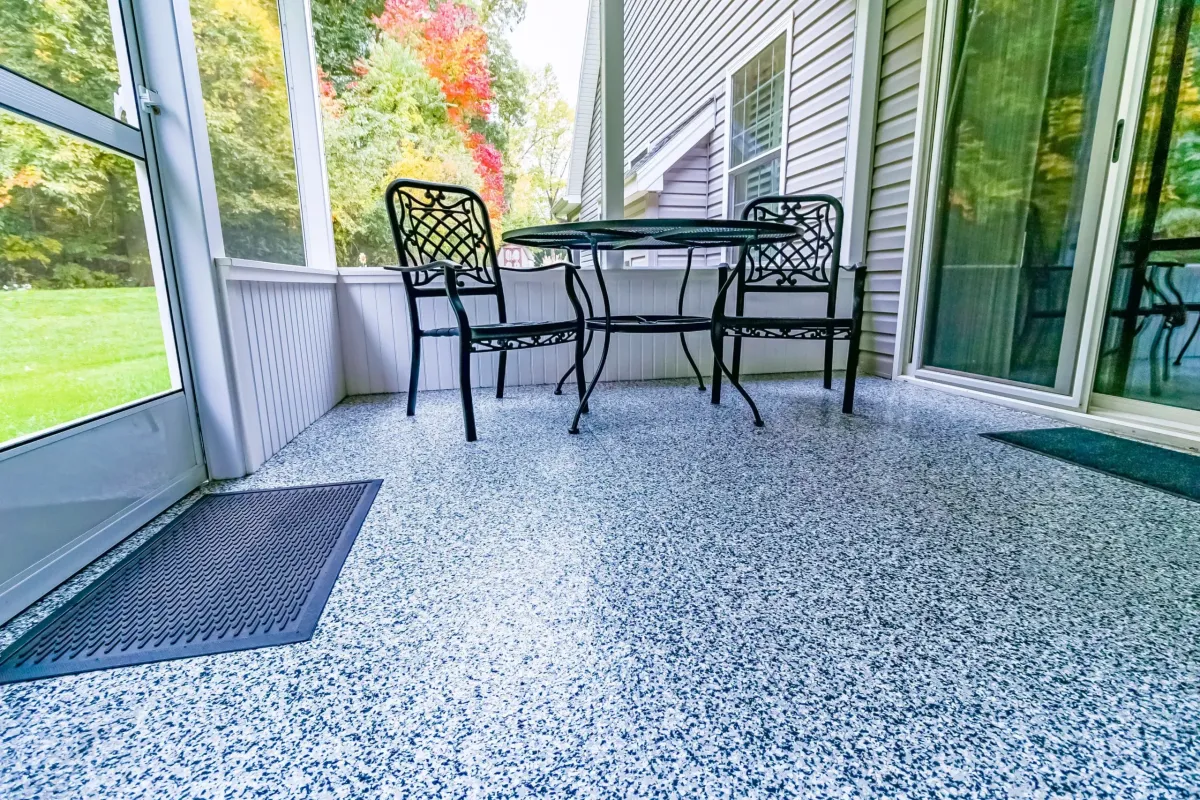
HOME OWNERS
Garage floor
Basement floor
Sidewalk, patio, porch, pool deck
BUSINESS OWNERS
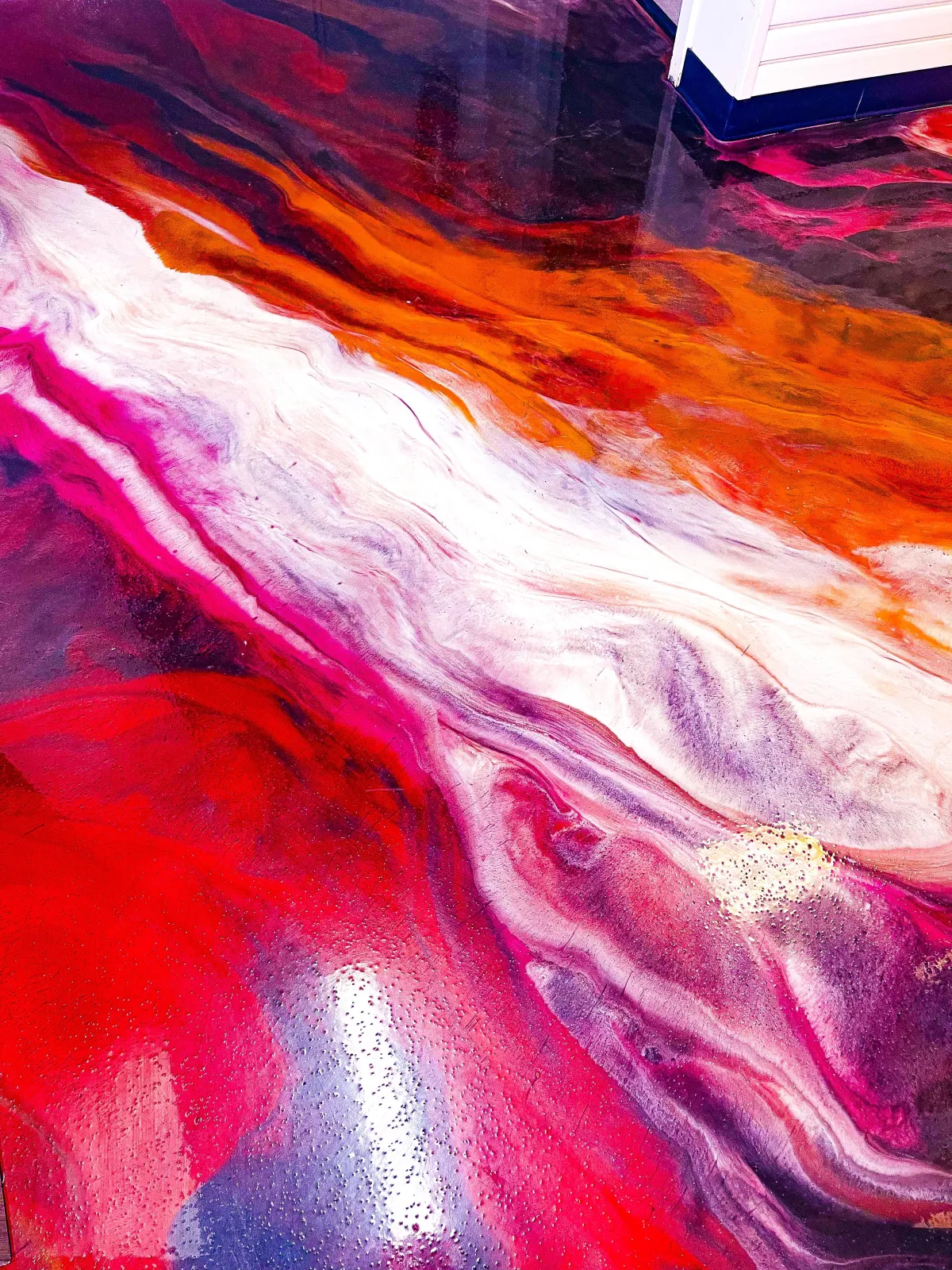
BUSINESS OWNERS
Hospitality
Medical
Civil Service
Shipping
Aviation
Process
How Do We Work?
Here’s a quick look at how we bring your Dream Floor to life.
01 - PREP
We grind the floor and patch any cracks or spalling.
02 - COAT
We apply a moisture vapor barrier and multiple coats to reach the desired finish.
03 - SEAL
We finish by applying a clear coat of finish to protect your new floor.
Process
Bloomington, Il. Epoxy
After we complete your estimate, You are now ready to get started.
Here’s a quick look at how we bring your floors to life and what Bloomington Epoxy is "in general."
01 - PREP
We grind the floor then repair any cracks, holes and spalling in floor.
02 - COAT
We apply a moisture vapor barrier and multiple coats to reach your desired finish.
03 - SEAL
We finish by applying a clear coat of finish to protect your new floor and make it shine.
Bloomington, Illinois
Epoxy Flooring
Bloomington, Illinois Epoxy Flooring:
An In-Depth Guide to a Durable and Versatile Flooring Solution for both Bloomington Homeowners and Business Owners alike.
Epoxy flooring has become a leading choice across residential, commercial, and industrial sectors due to its exceptional strength, longevity, and visual appeal. As a flooring system that combines advanced chemical engineering with practical design, epoxy flooring offers a seamless, protective surface capable of withstanding heavy use while enhancing the overall appearance of a space. From garages and warehouses to hospitals and modern homes, epoxy flooring provides a solution that balances performance, safety, and style.
This comprehensive information explores epoxy flooring in detail, covering its composition, benefits, types, installation process, maintenance requirements, applications, and long-term value. If your in Central Illinois we operate in a 60 mile radius of our office where we perform Peoria Epoxy at the highest level.
Understanding Bloomington Epoxy Flooring
Epoxy flooring is a surface coating system created by mixing epoxy resin with a hardening agent. When these two components combine, they trigger a chemical reaction that forms a rigid, durable plastic material. This material bonds strongly to concrete substrates, creating a thick, seamless, and non-porous surface.
Unlike standard floor paints or sealers, epoxy flooring penetrates and chemically adheres to the concrete surface. Once cured, it becomes an integral part of the floor rather than a layer sitting on top. This chemical bond is what gives epoxy flooring its superior durability and resistance to wear. But if you do find yourself needing help with ceilings or walls, contact a Bloomington, Il. Drywall Repair contractor first. You want to minimize any dust to fall on your new floor.
How Epoxy Flooring Works
The performance of epoxy flooring lies in its molecular structure. Epoxy resins contain epoxide groups that react with curing agents to form cross-linked polymer chains. These chains create a surface that is:
Highly resistant to mechanical stress
Impervious to liquids and chemicals
Capable of supporting heavy loads
Long-lasting under extreme conditions
As the epoxy cures, it transforms from a liquid to a solid, creating a tough, glass-like finish that protects the underlying concrete.
Key Benefits of Epoxy Flooring
1. Superior Durability and Strength
Epoxy flooring is designed to handle intense wear and tear. It can support heavy machinery, vehicles, and constant foot traffic without cracking or chipping. This makes it especially suitable for industrial environments, garages, and commercial facilities. When installed correctly, epoxy floors can last anywhere from 10 to 20 years or more.
2. Chemical and Impact Resistance
One of epoxy flooring’s standout features is its resistance to chemicals such as oils, fuels, acids, solvents, and cleaning agents. This makes it ideal for laboratories, manufacturing plants, automotive workshops, and commercial kitchens. The surface also resists impacts, reducing damage from dropped tools or heavy equipment.
3. Seamless and Hygienic Surface
Epoxy flooring creates a smooth, seamless surface with no joints or grout lines. This prevents dust, dirt, and bacteria from accumulating, making cleaning easier and more effective. Because of this hygienic quality, epoxy floors are commonly used in hospitals, clinics, food processing plants, and pharmaceutical facilities.
4. Moisture and Water Resistance
Epoxy flooring is non-porous, meaning it does not absorb water or moisture. This protects the concrete beneath from damage, mold growth, and deterioration. Moisture resistance makes epoxy an excellent option for basements, garages, laundry rooms, and industrial spaces exposed to liquids.
5. Aesthetic Flexibility
Modern epoxy flooring offers extensive design options. It is available in a wide range of colors, finishes, and textures, including:
Solid color finishes
Decorative flake systems
Quartz-filled surfaces
Metallic and marbled effects
Matte, satin, or high-gloss finishes
This versatility allows epoxy flooring to complement both functional industrial settings and stylish residential or commercial interiors.
6. Enhanced Safety
Safety can be improved with epoxy flooring through the addition of anti-slip aggregates that increase traction. This is particularly important in wet or oily environments. Epoxy floors can also incorporate bright colors and markings to define walkways, loading zones, and hazard areas.
7. Cost-Effectiveness Over Time
Although epoxy flooring may have a higher initial installation cost compared to basic coatings, it offers excellent long-term value. Its durability reduces repair and replacement costs, and its low maintenance requirements minimize ongoing expenses.
Service Area: We operate in a 60 mile radius of Peoria, Il. If you are in and or around Bloomington and live in one of the following cities, give us a call for a free estimate.
Normal Illinois Epoxy
Lexington Illinois Epoxy
Chenoa Illinois Epoxy
Clinton Illinois Epoxy
Le Roy Illinois Epoxy
Types of Epoxy Flooring Bloomington
Self-Leveling Epoxy Flooring
Self-leveling epoxy spreads evenly across the surface, creating a smooth and level finish. It is often used to correct minor imperfections in concrete floors. This type is popular in garages, showrooms, commercial kitchens, and warehouses.
Epoxy Mortar Flooring
Epoxy mortar flooring combines epoxy resin with graded sand or aggregates to create an extremely strong surface. It is the most durable epoxy system and is commonly used in industrial settings where heavy machinery and extreme conditions are present.
Quartz Epoxy Flooring
Quartz epoxy flooring incorporates colored quartz grains into the epoxy mixture. This creates a decorative, slip-resistant surface that is both durable and visually appealing. It is frequently used in locker rooms, schools, hospitals, and public restrooms.
Flake Epoxy Flooring
Decorative flake epoxy systems involve broadcasting colored flakes into the epoxy coating. The result is a textured, attractive surface that hides imperfections and improves slip resistance. Flake systems are widely used in garages, gyms, and retail spaces.
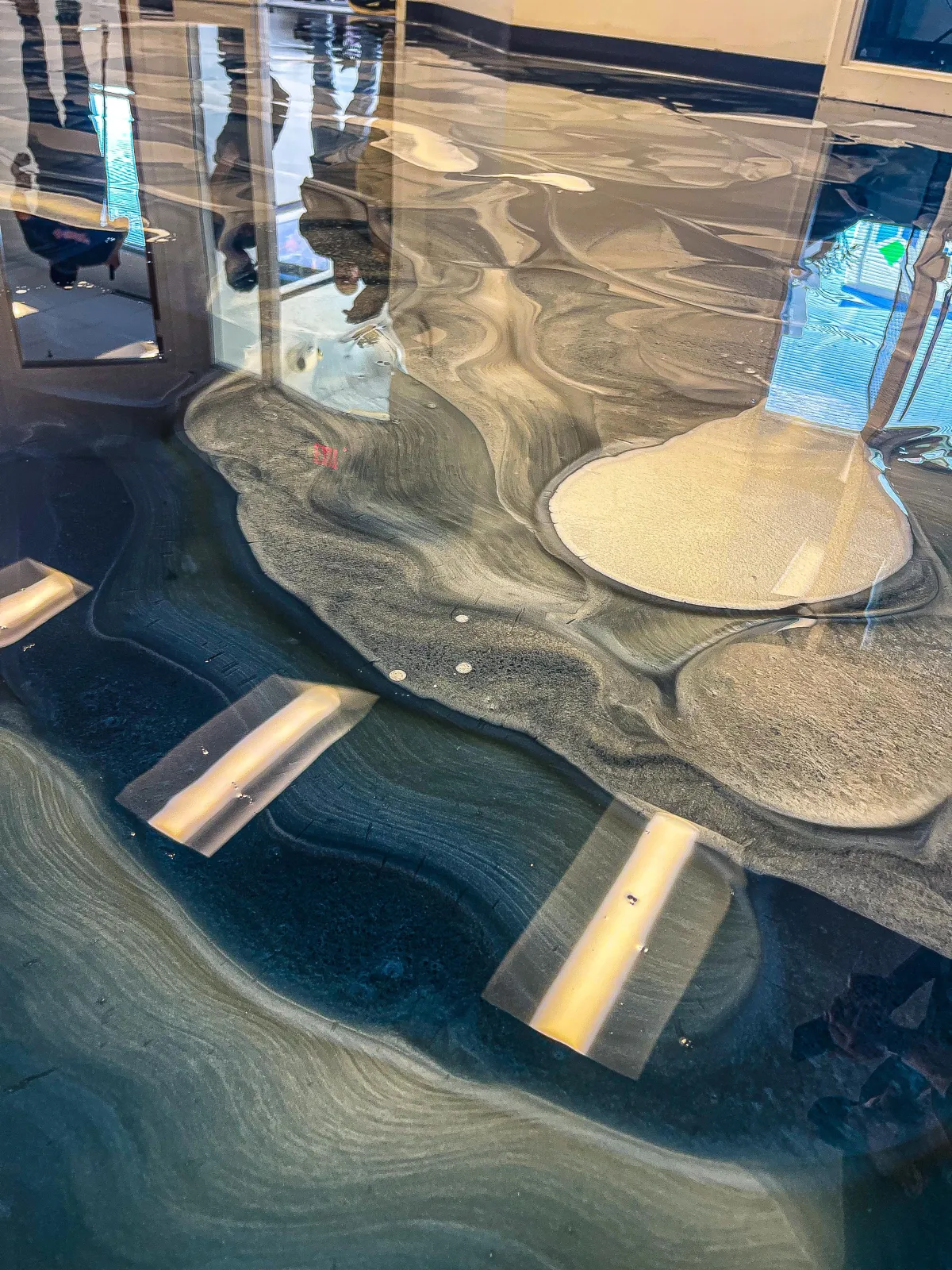
Metallic Epoxy Flooring
Metallic epoxy flooring uses metallic pigments to create a dynamic, three-dimensional appearance with depth and movement. Each floor is unique, making metallic epoxy popular in luxury homes, hotels, showrooms, and restaurants.
Anti-Static Epoxy Flooring
Anti-static epoxy flooring is designed for environments where electrostatic discharge must be controlled, such as electronics manufacturing facilities, laboratories, and data centers.
Epoxy Flooring Installation Process
Surface Preparation
Proper surface preparation is the most critical step in epoxy flooring installation. The concrete must be clean, dry, and free from dust, oil, grease, and existing coatings. Mechanical grinding or shot blasting is often used to open the concrete pores and ensure strong adhesion.
Repairing Imperfections
Cracks, pits, and uneven areas are repaired using epoxy fillers or patching compounds. A smooth substrate is essential for achieving a flawless final finish.
Priming the Surface
An epoxy primer is applied to seal the concrete and improve adhesion. The primer also helps prevent air bubbles and ensures even coverage of the topcoat.
Epoxy Near Me: Epoxy Flooring Near Me
Applying the Epoxy Coating
The epoxy resin and hardener are mixed in precise ratios and applied using rollers, squeegees, or trowels. Decorative elements such as flakes, quartz, or metallic pigments are added during this stage if required.
Curing and Final Inspection
The epoxy coating must cure for a specified period, usually 24 to 72 hours for light use and up to seven days for full curing. During this time, the surface should be protected from moisture and heavy traffic.
Maintenance and Longevity
Epoxy flooring is known for its low maintenance requirements.
Routine Cleaning
Sweep or dust mop regularly to remove debris
Mop with warm water and a mild detergent
Preventive Care
Avoid abrasive cleaning tools
Use mats in high-traffic areas
Place protective pads under heavy furniture
Repairs and Recoating
Minor scratches can often be polished out, while worn areas can be recoated to restore the floor’s appearance and performance.
Applications of Epoxy Flooring
Residential Applications
Garages
Basements
Kitchens
Utility and laundry rooms
Commercial Applications
Retail stores
Shopping malls
Restaurants
Office buildings
Industrial Applications
Warehouses
Manufacturing plants
Automotive facilities
Chemical processing areas
Healthcare and Education
Hospitals and clinics
Laboratories
Schools and universities
Locations:
Bloomington, Illinois Epoxy
Normal, Illinois Epoxy
Chenoa, Illinois Epoxy
Heyworth, Illinois Epoxy
Clinton, Illinois Epoxy
Leroy, Illinois Epoxy
Lexington, Illinois Epoxy
Peoria, Illinois Epoxy
Bloomington Epoxy Flooring Compared to Other Flooring Options
Compared to tile flooring, epoxy offers a seamless surface without grout lines and better chemical resistance. Unlike vinyl or laminate, epoxy does not peel or warp under moisture. Compared to polished concrete, epoxy provides greater design flexibility and enhanced protection against chemicals and stains.
Environmental and Sustainability Considerations
Many modern epoxy flooring systems are formulated with low volatile organic compounds (VOCs), improving indoor air quality. The long lifespan of epoxy flooring reduces material waste and the environmental impact associated with frequent replacements.
Bloomington, Il. Epoxy flooring is a highly durable, versatile, and visually appealing flooring solution suitable for a wide range of environments. Its resistance to wear, chemicals, and moisture, combined with its design flexibility and low maintenance requirements, makes it an excellent long-term investment.
Whether used in residential garages, commercial showrooms, or industrial facilities, epoxy flooring delivers a balance of performance, safety, and style. With proper installation and care, epoxy flooring can provide decades of reliable service while enhancing the functionality and appearance of any space.
Transform Your Space with Premium Concrete Coatings in Bloomington, Illinois
Whether you’re upgrading a residential garage, revitalizing a commercial warehouse, or enhancing an industrial facility, concrete coatings are one of the most effective ways to bring durability, beauty, and long-lasting performance to your floors. In Bloomington, Illinois, property owners have increasingly turned to professional concrete coatings services to protect and elevate their spaces — and there’s one name that stands above the rest: Peoria Drywall Paint and Epoxy.
The Value of Concrete Coatings
Concrete is an exceptionally strong and versatile material, but left untreated it’s porous, prone to staining, and can be susceptible to wear over time. Installing a high-quality concrete coating provides a powerful shield against:
Chemical spills and oil stains
Moisture and water damage
Cracks and structural wear
UV fading and discoloration
Everyday abrasion and impact
In practical terms, that means easier maintenance, longer floor life, and a more attractive surface — whether at home or at work.
But not all concrete coatings are created equal. The difference lies in the preparation, materials, and expertise of the coating professionals you choose. Bloomington residents and business owners trust Peoria Drywall Paint and Epoxy because they consistently deliver superior results with unmatched craftsmanship and attention to detail.
Why Choose Peoria Drywall Paint and Epoxy
Peoria Drywall Paint and Epoxy isn’t just another coatings company; they are an experienced team of flooring specialists committed to excellence. Their reputation for quality, professionalism, and durability makes them the leading choice for concrete coverage in Bloomington and the surrounding Illinois communities.
1. Expertise and Experience
Concrete coating requires more than just laying down epoxy — it demands precision, surface expertise, and an understanding of how coatings interact with different environments. The technicians at Peoria Drywall Paint and Epoxy bring years of hands-on experience to every job. They know how to assess each surface, address underlying issues, and choose the best products for lasting performance.
Whether your concrete floor has cracks, pitting, moisture challenges, or heavy traffic demands, they implement solutions that stand the test of time.
2. Customized Solutions for Every Space
No two projects are exactly alike. A residential garage floor has different needs than a restaurant kitchen, and a warehouse has very different performance expectations than a showroom. Peoria Drywall Paint and Epoxy takes a customized approach to every project — tailoring coatings to:
Traffic levels
Environmental exposure
Aesthetic goals
Budget considerations
From high-gloss epoxy finishes to decorative metallic coatings and high-performance polyurea systems, they offer a comprehensive range of options so you get exactly the look and durability you want.
3. Premium Materials for Peak Performance
The quality of a concrete coating is only as good as the materials behind it. Peoria Drywall Paint and Epoxy uses industrial-grade epoxies, polyurethanes, and topcoat systems sourced from trusted manufacturers. These premium materials provide:
Superior adhesion
Chemical and stain resistance
UV stability
Longer wear life
Whether you’re covering a garage, patio, showroom, or industrial floor, you’ll enjoy a finish that stays vibrant and strong even under heavy use.
4. Professional Surface Preparation
Surface prep is one of the most critical — and often overlooked — steps in any concrete coating project. Without proper preparation, coatings can fail prematurely, bubble, peel, or trap contaminants beneath the surface.
Peoria Drywall Paint and Epoxy excels in this area, using professional grinding and shot-blasting equipment to ensure that each surface is properly cleaned, profiled, and ready to bond with the coating system. It’s meticulous work that many DIY kits skip — and it’s one of the biggest reasons their coatings last so long.
5. Customer-Focused Service
Top performance matters, but outstanding customer service is equally important. Peoria Drywall Paint and Epoxy is known not just for its installations but for its communication, reliability, and integrity. They work closely with each homeowner or business owner from consultation to completion, ensuring expectations are met and satisfaction is delivered.
Concrete Coating Services Offered
Peoria Drywall Paint and Epoxy offers a wide range of concrete coating services to fit any purpose:
Residential Coatings
Garage Floor Epoxy — Transform dull, stained garage floors into clean, high-gloss surfaces that resist oil, salt, and automotive fluids.
Basement & Living Areas — Waterproof and beautify basement floors with options that are both stylish and durable.
Patios & Outdoor Spaces — Weather-resistant coatings that stand up to freeze-thaw cycles and outdoor wear.
Commercial & Industrial Coatings
Warehouse & Workshop Floors — Heavy-duty coatings designed to handle forklifts, heavy traffic, and industrial wear.
Retail & Showrooms — Attractive finishes that reflect light and elevate your space while protecting the concrete beneath.
Food-Service & Healthcare — Hygienic, easy-to-clean floors that meet strict sanitation and safety standards.
Decorative & Specialty Finishes
Metallic Epoxy — Create dynamic, three-dimensional looks that add a premium finish to any space.
Flake & Chip Systems — Add texture, color variation, and slip resistance while concealing imperfections.
Custom Color Blends — Tailor your flooring to match branding, décor, or personal style.
What Local Clients Are Saying
Peoria Drywall Paint and Epoxy has built a strong local reputation because they deliver on their promises. Homeowners praise the team for transforming dull, worn concrete into floors that look brand new and are easier to maintain. Business owners highlight the improved professionalism and safety that comes with high-quality coatings in workplaces and showrooms.
Their workmanship stands out because they take the time to do the job the right way — not just the easy way — ensuring every project meets high standards of durability, functionality, and aesthetics.
Benefits of Professional Concrete Coatings
Choosing a professional service like Peoria Drywall Paint and Epoxy brings advantages that far outweigh DIY approaches:
Lasting Durability: Professional coatings properly installed can last many years without cracking, peeling, or yellowing.
Low Maintenance: Coated surfaces are easier to clean and resist contaminants — meaning less time and money spent on upkeep.
Enhanced Property Value: Beautiful, durable flooring is a visible upgrade that can boost real estate appeal.
Improved Safety: Slip-resistant and seamless surfaces reduce hazards in both homes and workplaces.
Ready to Upgrade Your Floors?
If you’re in Bloomington, Illinois and looking for Epoxy concrete coatings that combine performance, beauty, and value — Peoria Drywall Paint and Epoxy is the company to trust. Their experienced team, premium materials, and professional approach ensure results that not only look great but perform for years under real-world conditions.
From residential garage transformations to large commercial installations, we bring expertise and commitment to every project. Don’t settle for ordinary concrete — let your floors reflect your standards with a coating solution that’s built to last.